Salmon Policy Changes and the Need to Focus on the Fish
British Columbians care deeply about salmon. They matter for food, culture, conservation, recreation, and the livelihoods of coastal and rural communities. How we govern salmon also says a great deal about how we manage shared resources more broadly.
That is why proposed changes to salmon management, particularly efforts to remove the concept of fish as a common property resource, deserve careful public attention, even though the federal consultation period has now closed.
Why This Conversation Still Matters
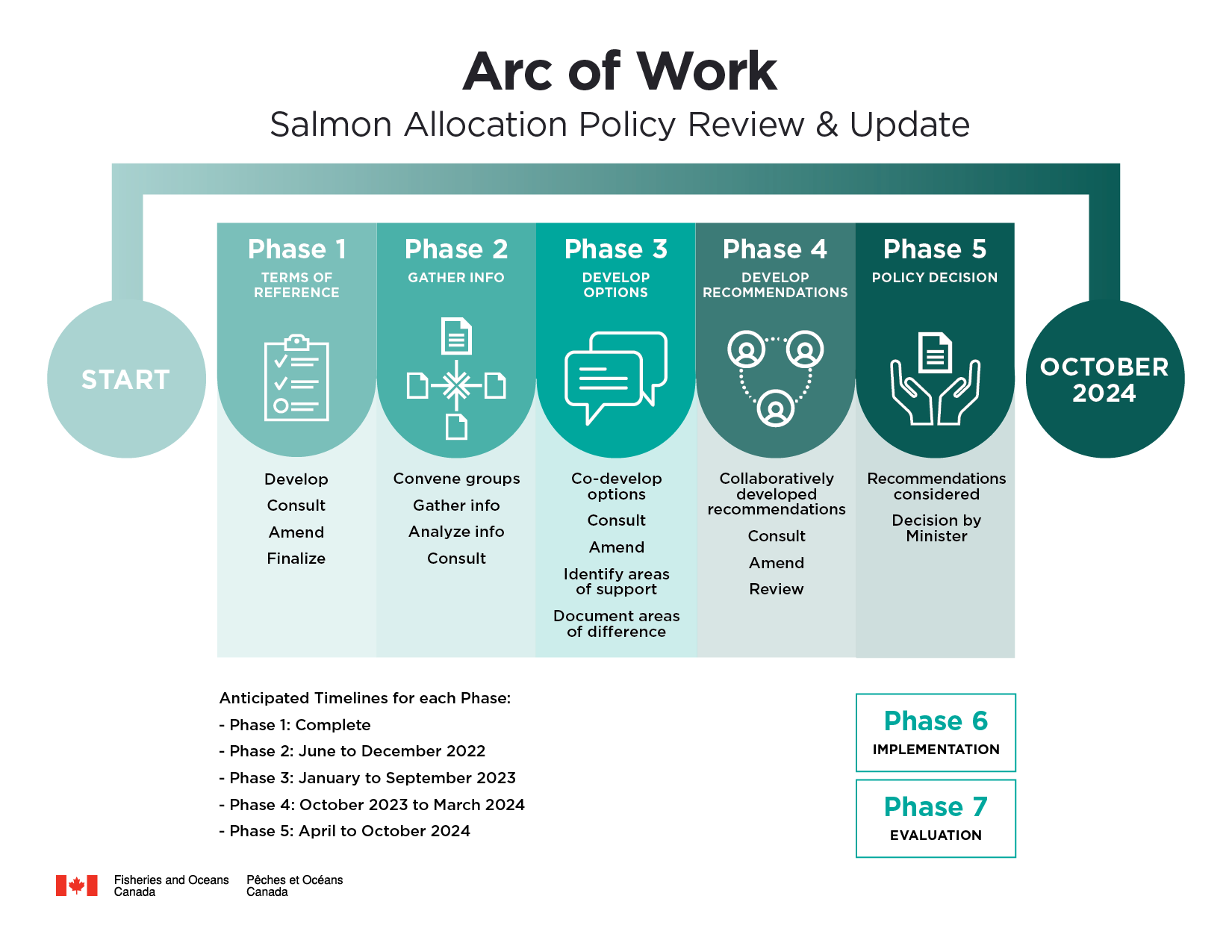
The federal government’s review of the Salmon Allocation Policy has raised difficult questions about how allowable salmon harvest is shared among First Nations, commercial, and recreational fisheries. While the formal comment period has ended, this conversation is far from over.
British Columbians can and should continue to make their voices heard by contacting their Members of Parliament and the federal Minister responsible for fisheries at DFO.Minister-Ministre.MPO@dfo-mpo.gc.ca.
The Importance of the Common Property Framework
For decades, fish in Canada have been managed as a common property resource. They are not owned by government or by individuals, but are held in trust for the public. In practical terms, this means salmon are managed for everyone’s benefit and are not owned or controlled by any one group.
Under this model, government acts as steward, with conservation as the top priority and access regulated transparently and predictably. This approach has long underpinned fisheries management in British Columbia and has helped maintain public trust in the system.
Some current proposals suggest removing or redefining this common property concept, arguing that it no longer reflects modern legal or reconciliation frameworks. While those motivations deserve discussion, the implications of such a shift cannot be ignored. Respecting Indigenous rights and maintaining clear, trusted stewardship frameworks are not mutually exclusive. Both are essential.
Why Policy Language Matters
Policy language matters. When foundational concepts are removed without clearly explaining what replaces them, uncertainty grows. People begin to question who has access, who makes decisions, and whether the rules apply equally.
That uncertainty does not advance reconciliation. It fuels division by leaving people unsure of the rules, the limits, and the process.
This is where government must take responsibility. Division is not being created by communities or by rights recognition itself. It is being created by policy changes that lack transparency, clear guardrails, and meaningful public engagement.
Conservation Depends on Trust
The common property framework also plays a critical role in conservation. It allows salmon to be managed at the population level, guided by science and consistent enforcement.
Public confidence in that system matters. When people understand the rules and trust the process, compliance improves and conservation outcomes are stronger. When trust erodes, conservation suffers.
What Can Be Done in British Columbia
As MLA for Boundary Similkameen and Critic for Water, Lands and Resource Stewardship and Wildlife, I want people to know that I am listening. I will continue to advocate for common sense resource management in Victoria.
It is also important to be honest. This is a federal policy decision, and the Province has limited influence over the final outcome. I understand how frustrating that is for people who feel unheard. That does not mean there is nothing we can do in British Columbia.
Provincially, our focus must be on rebuilding salmon abundance so we are no longer fighting over the last fish. That means electing a government that makes decisions based on science and is willing to take tough but necessary steps, including addressing predator impacts on salmon stocks. It also means supporting innovation, shared stewardship, and diversified economies in our coastal communities.
Staying Engaged and Informed
For those who want to stay informed and involved, organizations such as the BC Wildlife Federation are hosting upcoming town halls to help people understand the issues and remain engaged. These forums are an important way to keep conversations constructive and grounded in facts.
Focusing on What Unites Us
British Columbians, Indigenous and non Indigenous alike, want healthy salmon runs, sustainable fisheries, and policies that bring people together rather than push them apart. Achieving that requires governments at all levels to focus less on dividing a shrinking resource and more on rebuilding it.
Salmon belong to all of us in a shared sense as a common property resource. How we manage them should reflect that shared responsibility by respecting rights, protecting conservation, and ensuring a future where abundance defines our fisheries, not conflict.